


Why Barrier Matters in Pet Food Packaging
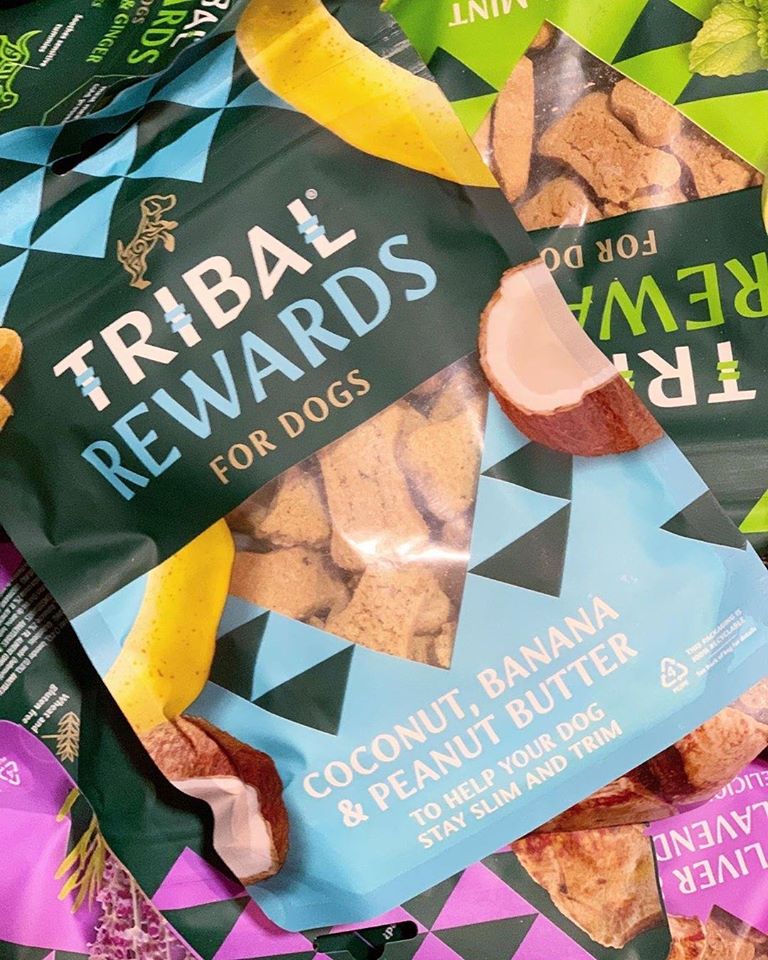
Pet owners are becoming more selective than ever. As the UK pet food market continues to grow – driven by premium treats, natural ingredients and functional nutrition – brand trust is becoming a key driver of purchase decisions. One element that directly influences this trust is packaging, especially the barrier performance of the pouch that protects the product inside.
For emerging and established brands, choosing the right barrier can make the difference between a fresh, aromatic, long-lasting product and one that loses flavour, becomes stale or absorbs moisture during storage. In a market where pet owners are quick to switch brands after a single negative experience, packaging truly plays a vital role.
In this blog, we explore why barrier matters, what different barrier levels mean, and how ePac Flexible Packaging supports pet brands across the UK and Europe with high-quality, digitally printed pouches designed for freshness, safety and shelf appeal.
Why Barrier Matters More in Pet Food Than Many Brands Realise
Pet food – especially treats and dry kibble – is highly sensitive to oxygen and moisture. Research shows that oxidation is one of the main causes of rancidity in animal products, affecting smell, colour and nutritional value (NielsenIQ Pet Food Report, 2024). Oxygen can make fats spoil, while moisture can soften crunchy treats or lead to mould growth.
Pet owners notice these changes instantly. According to a recent Mintel study, 72 percent of pet owners expect consistent freshness and aroma when purchasing premium treats. When the packaging fails, the brand experience fails too.
Unlike human snacks, pet treats often include:
- Higher fat content
- Freeze-dried or dehydrated proteins
- Soft-baked textures with natural oils
- Powder coatings or flavour enhancers
These ingredients require higher-quality barrier protection to preserve taste, texture and aroma from manufacturing to consumption.
This is where material structure matters.
Understanding Oxygen, Moisture and Light Barrier
Barrier refers to how well the packaging slows down the transmission of oxygen, water vapour and light. ePac uses several material layers that work together to protect pet treats:
1. Oxygen Barrier (OTR)
A strong oxygen barrier keeps fats from oxidising. Many pet treats contain oils that can quickly spoil when exposed to air.
Options used by ePac include:
- METPET (metalised polyester) for high oxygen protection
- EVOH (Ethylene Vinyl Alcohol) layers for transparent pouches
- PET layers for strength and clarity
These options are outlined in the technical material structures document, where METPET and EVOH are highlighted as key choices for OTR-sensitive categories like jerky and protein-rich snacks .
2. Moisture Barrier (WVTR)
Moisture barrier is essential for crunchy, baked or freeze-dried treats. Even a small amount of humidity can soften or degrade product quality.
ePac offers moisture-resistant sealant layers such as:
- LLDPE (tough, excellent seal layer)
- HDPE blends for added stiffness and moisture control
- METPET for even stronger moisture protection
These characteristics come directly from the structures guide and sealing layer recommendations .
3. Light Barrier
Light can degrade nutrients, colouring and fats. METPET-based structures block light effectively and are frequently used in pet treat packaging.
What Happens When Pet Food Packaging Lacks Adequate Barrier?
Low-barrier packaging can lead to:
- Loss of aroma (one of the strongest purchase drivers in the category)
- Changes in texture (treats become soft or stale)
- Rancid smells from oxidised oils
- Shortened shelf life
- Customer dissatisfaction or returns
- Damaged brand reputation
In competitive retail environments, pet owners judge packaging freshness quickly. A single negative experience can push them towards another brand.
How High-Barrier Flexible Packaging Protects Your Product
ePac’s standard pet food and pet treat pouches are designed with multilayer structures that combine durability, visual appeal and functional protection. Based on the internal structures file, pet treat pouches commonly use PET / METPET / PE for high barrier performance and strong seals .
These structures help preserve:
- Aroma (key for meat-based and flavour-coated treats)
- Crispness
- Nutritional quality
- Colour and appearance
- Shelf stability during transport and storage
For products that benefit from transparency, EVOH-based films offer strong oxygen protection while keeping the window clear.
Why Stand-Up Pouches Work Best for Pet Treats
Most pet treat companies choose stand-up pouches, available in a range of standard sizes suitable for everything from small samples to larger everyday packs.
These formats offer:
- Zippers for resealability
- Printable surfaces for branding
- Excellent display presence
- Portion control for pet owners
- Lightweight shipping
- High-barrier protection without rigid packaging waste
For smaller samples or single-serve formats, three-side-seal pouches are also widely used.
Design and Branding Also Benefit from High-Barrier Films
Beyond product protection, barrier structures improve the look and feel of packaging. Premium finishes such as:
- Soft-touch matte PET
- Glossy PET
- Matte or gloss windows
…help create a polished, high-quality appearance. These finishes are available in multiple ePac structures, including recyclable PE options for brands prioritising sustainability.
External research supports this: a study by Deloitte found that 54 percent of consumers associate premium packaging with higher product quality, even in pet care categories.
You can also click here for internal brand guidance on material options through ePac’s Complete Guide to Flexible Packaging blog.
Sustainability Considerations for Pet Brands
Many UK pet owners are shifting towards brands with greener credentials. ePac’s 100 percent recyclable PE films, which use a dual-layer PE construction, offer strong moisture and oxygen protection while being compliant with How2Recycle Drop-Off programmes .
For treats that don’t require METPET, the recyclable PE structure creates an excellent sustainable alternative without compromising clarity or print quality.
You may reference current EU sustainability guidelines here.
How to Choose the Right Barrier for Your Pet Food Product
Here are the key questions every pet brand needs to consider:
- What type of product is being filled?
(soft treats, crunchy biscuits, jerky, freeze-dried, kibble) - What is the target shelf life?
Barrier varies based on storage and distribution. - Is a resealable zipper required?
No - Does the product need a window?
EVOH is ideal for transparent pouches. - Is sustainability a priority?
Recyclable PE structures may be a strong fit. - Which pouch size is required?
ePac offers a full range of standard SUP sizes.
These questions mirror the recommended technical discovery process outlined in ePac’s internal structures guide.
Final Thoughts: Barrier Is a Business Decision
The right barrier protects product quality, reduces waste, improves customer satisfaction and influences repeat purchase behaviour. As the pet market becomes increasingly premium and competitive, brand owners are adopting better packaging structures not as a cost but as an investment in product integrity.
ePac offers high-barrier, digitally printed flexible packaging made in the UK, with rapid turnaround times and low minimum orders – ideal for both established brands and fast-growing start-ups.
Speak to Our Packaging Experts
If you’d like support choosing the right barrier, material or pouch structure for your next pet food launch, our team is here to help.
Contact ePac today, and get your packaging faster than ever.