


Introduction: The Future of Food & Beverage Packaging
Walk down any grocery store aisle today, and you will notice a major shift: rigid plastic tubs, glass jars, and bulky boxes are being replaced with lightweight and convenient flexible packaging. This change isn’t accidental. It reflects a broader transformation in consumer preferences, sustainability goals, and technological innovation.
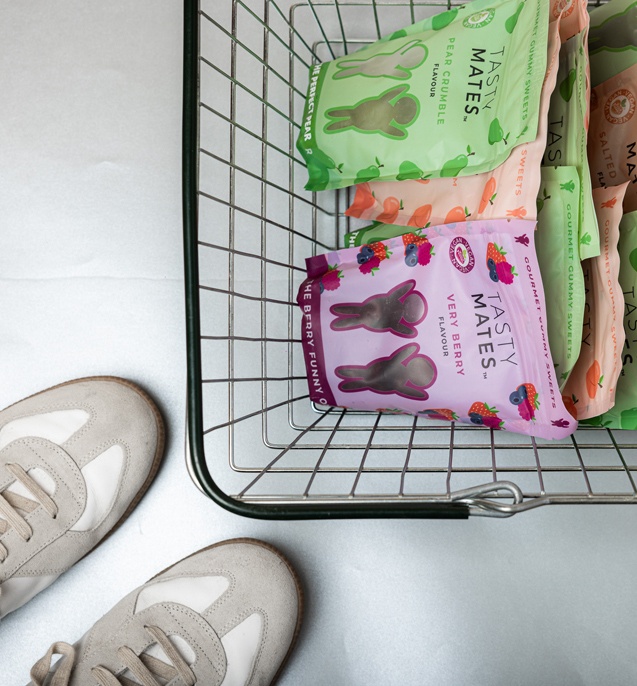
By 2025, flexible packaging is projected to account for more than 40% of the global food packaging market (source: Smithers). As both small startups and global food & beverage giants adapt, the future of packaging will be defined by sustainability, smart technology, convenience, and high-impact design.
In this article, we will break down the top flexible packaging trends for 2025 and explore how brands can use them to connect with modern consumers and drive sales growth.
1. Smart Packaging: The Digital Future of Food & Beverage
Technology is no longer limited to the product itself, packaging is becoming smarter, more interactive, and more transparent.
Smart packaging innovations leading the way:
- QR Codes & Augmented Reality (AR): Brands can use digitally printed QR codes to connect shoppers with recipes, brand stories, sourcing details, or loyalty programs. AR features can bring packaging to life, imagine scanning a beverage pouch to see an animated video of how it’s made.
- NFC Technology: Near Field Communication tags allow customers to tap packaging with their smartphones to instantly access promotions, authenticity verification, or product information.
- Blockchain & Traceability: Particularly in the food and beverage sector, transparency is critical. Blockchain-enabled packaging can show a product’s full journey, from farm to shelf, giving consumers confidence in quality and sourcing.
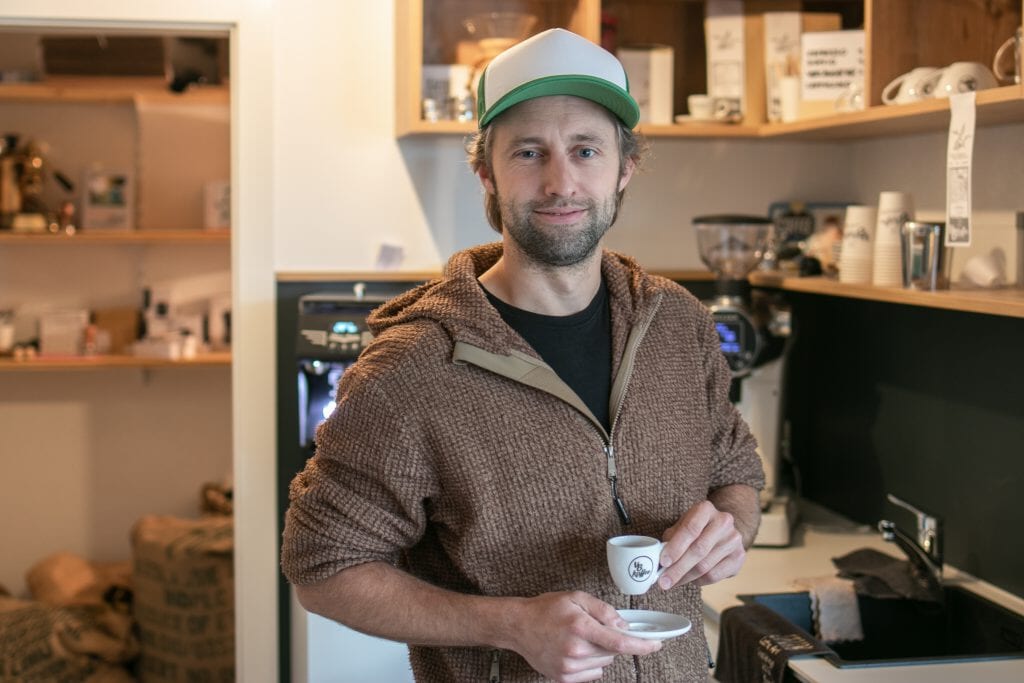
✅ Example: A cold-brew coffee brand could add a QR code to its flexible pouch, letting customers trace the beans back to their farm of origin while accessing brewing tips and discount codes for their next purchase.
2. Convenience-First: Meeting the Demands of On-the-Go Consumers
Today’s consumers are busy, health-conscious, and always on the move. Packaging that makes life easier will be the one that wins repeat purchases.
Convenience-driven features trending in 2025:
- Resealable pouches that keep snacks, coffee, and pet treats fresh.
- Spouted pouches for baby food, smoothies, and sauces – offering spill-free, portable options.
- Single-serve packs & stick packs for portion control and travel-friendly consumption.
- Lightweight materials that reduce shipping costs and make products easier to carry.
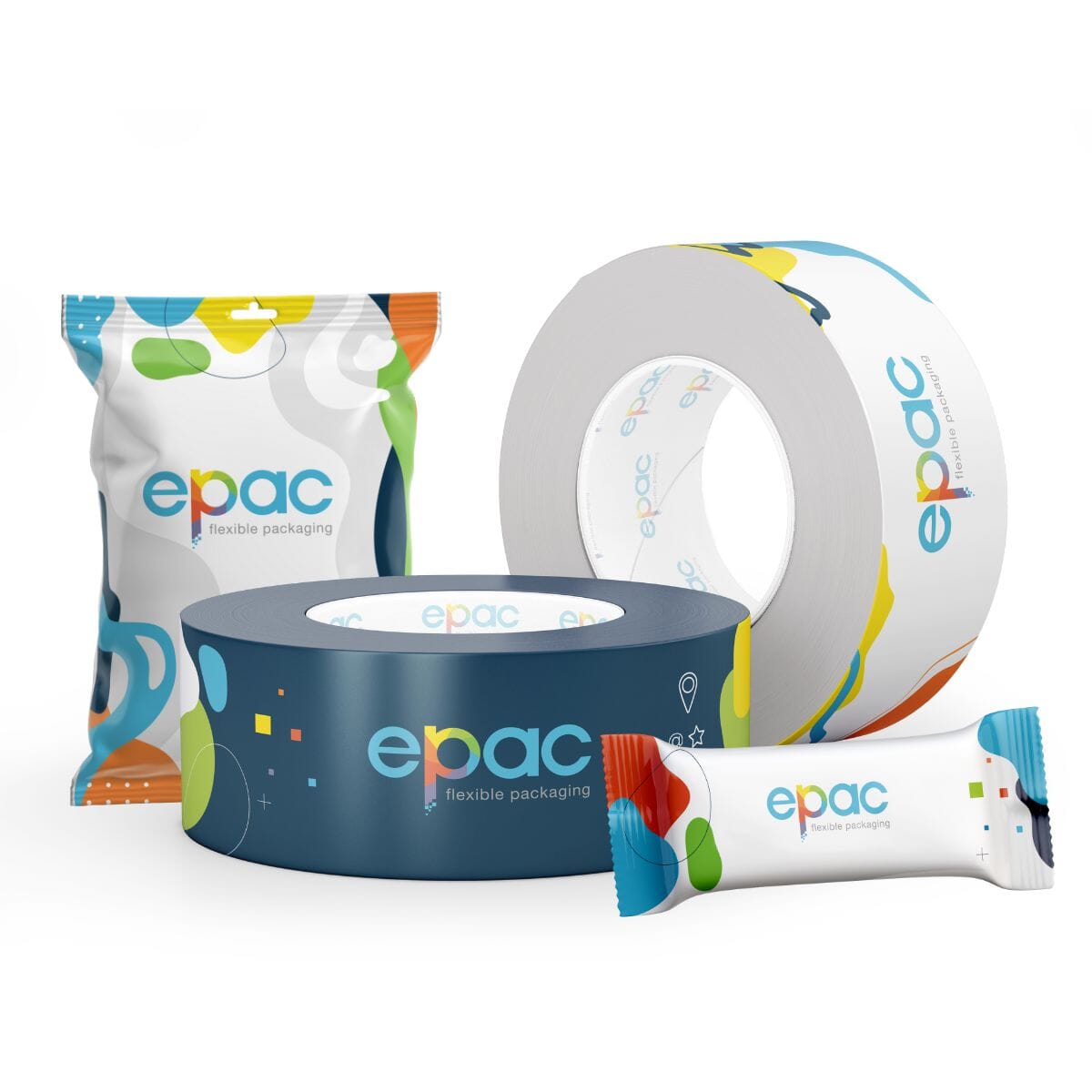
✅ Example: A protein powder brand can launch single-serve stick packs for gym-goers who want an easy way to mix shakes on the move. With flexible rollstock, brands can produce these in small batches and test multiple flavours with minimal risk.
3. Bold Graphics & Digital Printing: Standing Out on the Shelf
In a crowded retail environment, packaging has just 3–7 seconds to capture a shopper’s attention. This is where digital printing for flexible packaging makes all the difference.
Design trends for 2025 include:
- Full-colour, edge-to-edge graphics that pop off the shelf
- Matte and soft-touch finishes for a premium feel
- Spot gloss and metallic foils to highlight logos or key design elements
- Personalisation & versioning brands can run multiple designs in the same order to target specific regions, demographics, or seasonal events
Unlike traditional printing, digital flexible packaging requires no plates or setup costs, making it possible for small brands to experiment with designs affordably, while large brands can manage multiple SKUs more efficiently.
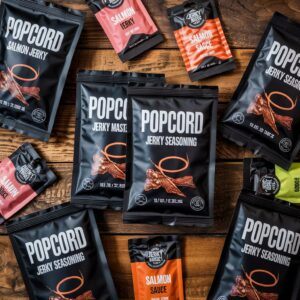
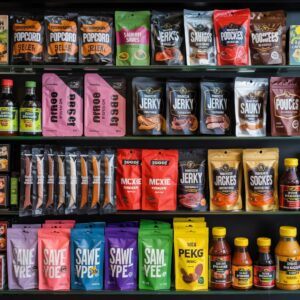
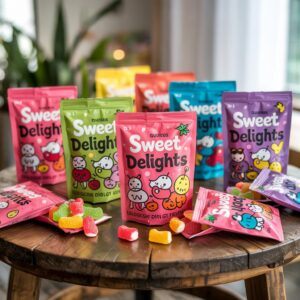
✅ Example: A sparkling water brand can release a limited-edition series of pouches with unique designs for each flavour, engaging consumers and encouraging them to “collect them all.”
4. Consumer Preferences: Why Shoppers Love Flexible Packaging
The rise of flexible food packaging isn’t just a manufacturing trend, it’s being driven by what consumers want most.
Key consumer insights for 2025:
- Sustainability matters: 70% of consumers prefer brands that use eco-friendly packaging (NielsenIQ).
- Portability is key: 60% of Gen Z and Millennials say on-the-go packaging influences their purchase decisions.
- Freshness sells: Resealable and airtight pouches keep snacks, coffee, and supplements fresh longer, encouraging repeat purchases.
- E-commerce growth: With online food and beverage sales expected to exceed $200 billion by 2025, packaging that protects products during shipping is a must.
✅ Stat Spotlight: The global flexible packaging market is forecasted to reach $315 billion by 2025 (MarketsandMarkets), growing at a CAGR of over 4%.
5. Flexible Packaging Across Food & Beverage Categories
Different markets are embracing flexible packaging in unique ways:
- Snacks: Stand-up pouches with zippers and transparent windows for chips, trail mix, and granola.
- Coffee & Tea: High-barrier pouches with degassing valves for freshness and aroma retention.
- Beverages: Spouted pouches for juices, smoothies, cocktails, and even wine, lightweight and easier to transport than glass bottles.
- Frozen Foods: Durable, puncture-resistant pouches that withstand low temperatures and prevent freezer burn.
- Nutritional Supplements: Single-serve stick packs and sachets that support portion control and travel convenience.
This flexibility allows brands to adapt packaging to different use cases and consumer lifestyles, while keeping costs and waste low.
6. The Sustainability Imperative in 2025
Governments and retailers are setting ambitious sustainability goals, pushing brands to rethink packaging. Flexible packaging offers a pathway forward:
- Recyclable mono-material pouches reduce landfill waste.
- Reduced material usage lowers carbon emissions compared to rigid alternatives.
Brands that adopt these solutions early not only stay compliant but also differentiate themselves as leaders in sustainability.
7. How Small and Large Brands Can Leverage These Trends
One of the biggest strengths of flexible packaging is its scalability.
- For startups & small brands: Short-run digital printing allows affordable testing of new products, seasonal packaging, or rapid rebrands without high upfront costs.
- For large brands: Multi-SKU printing, variable data features (like unique QR codes), and lightweight shipping options help manage complex supply chains while staying sustainable.
Flexible packaging is the bridge that allows small brands to scale and helps established brands stay agile and innovative.
Conclusion: Packaging Trends That Shape the Future
By 2025, the food and beverage industry will be defined by packaging that is smart, sustainable, convenient, and visually striking. Consumers are demanding more from the products they buy—and packaging is one of the most powerful tools brands can use to meet those demands.
Whether you’re a small snack startup or a global beverage leader, embracing flexible food packaging ensures your brand is ready for the future. It’s not just a trend, it’s the new standard for packaging that sells.
If you have any question related to flexible packaging, speak to one of our expects here.